

Why Start-ups should look at the European Market?
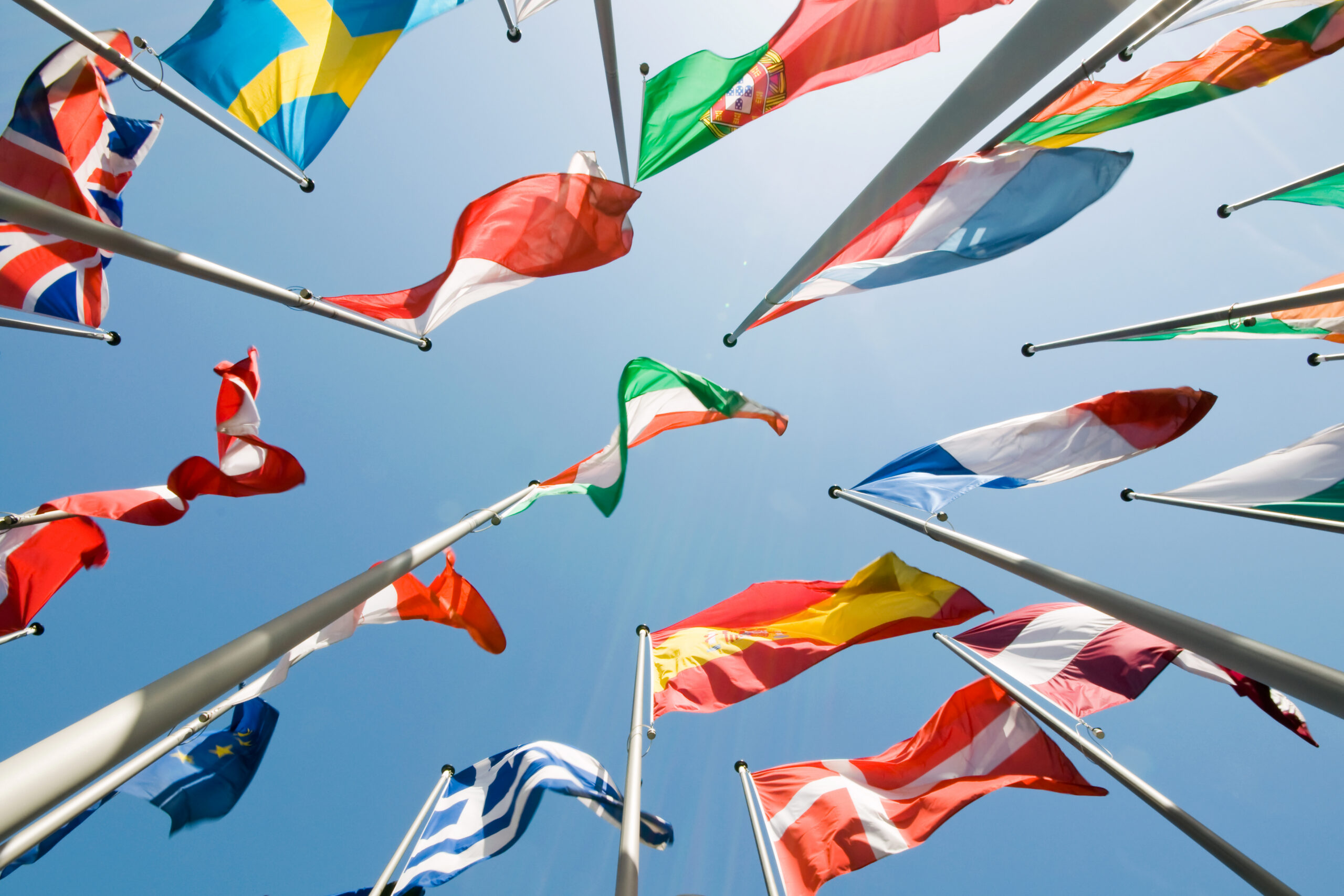
For many startups and scale-ups, global expansion feels like jumping off a cliff and hoping you grow wings on the way down. You don’t know what you don’t know, and learning by trial and error in international markets can get very expensive—very fast.
That’s why Europe is such a powerful European Market Sales Destination: it offers a large, sophisticated, yet relatively low-risk environment to test your strategy, refine your sales process, and build a repeatable model for global growth.
In this article, we’ll break down:
- Why testing is essential before scaling internationally
- Why Europe is a uniquely valuable European Market Sales Destination
- When to start testing Europe
- How to design and run your European test
- How to validate your product and run proof-of-concepts (POCs) with European corporates
- A simple action plan to get started
1. Why Testing Matters Before You Scale Globally
Most startups don’t have their sales and go-to-market strategy perfectly worked out. That’s normal. The real danger is pretending you do and launching aggressively into international markets without a solid, tested process.
Avoid the “shotgun” approach
One real-life example: a company investing heavily in multiple European trade shows, multiple countries, and hiring too early—without clarity on target industries or a clear sales process. They spread themselves thin, didn’t get results, and almost went bankrupt.
The lesson: testing is not optional. It’s how you:
- Discover what works (and what doesn’t) in real markets
- Avoid burning bridges with early international customers
- Protect cash and extend your runway
- Build a repeatable sales process you can scale
Own your test phase
A smart move is to explicitly label your early European activity as a “test phase.” When you approach prospects, you can say:
“We’re preparing our entry into the European market and would love your feedback during this test phase.”
This does three things:
- Sets expectations realistically
- Gives you permission to experiment, adjust, and refine
- Positions your prospects as collaborators rather than just “targets”
Clarify your priority industries
A test phase also helps you confirm your top priority industries. Your “sweet spot” industries drive all your strategic decisions:
- Which countries to target
- Which trade shows to attend
- Which channels and partners to invest in
- How to position your product and messaging
Getting this wrong leads to scattered investment. Getting it right makes every dollar and hour you spend far more effective.
2. Why Europe Is the Ideal European Market Sales Destination
So, why should startups see Europe as their European Market Sales Destination instead of, say, going directly to the U.S.?
2.1. Easy to enter with a “light” structure
Unlike the U.S., where you often need a deeper setup earlier, Europe lets you start with:
- Distribution partners or resellers
- A small representative presence
- A lean, low-risk entity if needed (many European governments offer attractive schemes to attract foreign companies)
Exportia has helped startups from the U.S., Asia, and Australia sell into Europe before having a local entity, working via local partners first.
2.2. Diversity of industries and countries
Europe is not one homogeneous market—it’s a cluster of markets with:
- Strong sectors like aeronautics, automotive, agriculture, industrial manufacturing
- Mature medium-sized enterprise ecosystems (Germany, Italy, etc.)
- Former Eastern Bloc countries with different needs and opportunities (e.g. Poland, Central & Eastern Europe)
This diversity massively increases the chances that your European Market Sales Destination includes the right niche or vertical for your product.
2.3. A real-world lab for multicultural and multilingual operations
Europe is a cultural and linguistic melting pot. Testing here forces you to think about:
- Multilingual marketing and support
- Localized documentation and instructions
- Cultural nuances in selling, negotiation, and buying cycles
In other words, Europe acts like a sample of the world, letting you prepare for broader global expansion.
2.4. Respect for IP and strong standards
- European buyers are generally respectful of intellectual property, making it safer (though you should still protect your IP properly).
- European standards and compliance (e.g. CE marking) are highly recognized worldwide. If your product meets European requirements, other markets will often see that as a strong quality and safety signal.
2.5. Hot strategic sectors with strong incentives
The European Union and its member states are currently investing heavily in:
- Defense (European rearmament and strategic autonomy)
- Sustainability, green tech, and renewable energy
- Healthcare digitization and modernization
- Factory automation and AI
These areas often come with subsidies and funding schemes, sometimes even accessible to non-European businesses under specific programs. That’s why Europe is not only a testbed but a high-potential European Market Sales Destination for innovative solutions in these domains.

Christelle Damiens is the Managing Director of Exportia, which provides an outsourced European Sales & Marketing team to Australian B2B manufacturing and technology companies. She is also an award winning author and a business speaker. Her second book “The four steps to generate your first million euros in sales’ won the Australian Business Book Award 2020 in the Communications and Sales category and was a finalist in the Entrepreneurship & Small Business Category, as well as an Amazon best seller. exportia.com.au To learn more, visit : christelledamiens.com
Read more Articles by this Author